Complete ISO 9001 Certification Guide for Quality Management
ISO 9001 Certification: Complete Guide for Businesses
ISO 9001 ?
ISO 9001 certification is an internationally recognized standard for Quality Management Systems (QMS) that helps organizations improve their processes, maintain consistent quality, and increase customer satisfaction. For businesses looking to achieve ISO 9001 , understanding the requirements, implementation process, documentation, and certification audit is essential.
This complete guide explains ISO 9001 certification, its benefits, key requirements, implementation steps, required documents, audit process, and certification timeline. Whether you are a small business, manufacturing company, service provider, or large organization, this guide will help you understand how to prepare for ISO 9001 certification and establish an effective Quality Management System.
ISO 9001 certification is an internationally recognized standard for Quality Management Systems (QMS). It helps organizations create structured systems to improve product quality, service consistency, customer satisfaction, and operational efficiency.
In simple words, ISO 9001 helps businesses improve the way they work by creating organized processes and maintaining quality standards throughout operations.
The main objectives of ISO 9001 certification are:
✔ Improve customer satisfaction
✔ Enhance product and service quality
✔ Improve operational efficiency
✔ Reduce operational errors
✔ Support continuous improvement
✔ Strengthen business credibility
ISO 9001 certification focuses on building efficient systems that help organizations deliver consistent quality results.
Why is ISO 9001 Certification Important?
Businesses today face strong competition, changing customer expectations, and increasing quality requirements. Organizations that fail to maintain quality standards often face customer complaints, operational inefficiencies, product failures, and loss of business opportunities.
Implementing ISO 9001 certification helps organizations build strong quality management systems and improve operational performance.
🔹 Importance of ISO 9001 Certification:
✔ Improves customer trust and satisfaction
✔ Enhances business credibility and reputation
✔ Improves operational efficiency and process control
✔ Reduces operational risks and errors
✔ Supports continuous improvement practices
✔ Creates better domestic and international business opportunities
✔ Improves compliance and documentation systems
Organizations with ISO 9001 certification are often preferred by customers, suppliers, and business partners because certification demonstrates commitment to quality and professional management.
What is a Quality Management System (QMS)?
A Quality Management System (QMS) is a structured process used by organizations to maintain quality standards and improve operational performance.
A QMS includes:
✔ Quality policies
✔ Operational procedures
✔ Documentation systems
✔ Process management
✔ Customer feedback systems
✔ Performance monitoring and improvement
In simple words, a QMS helps businesses manage work systematically to improve quality, consistency, and customer satisfaction.
Which Industries Need ISO 9001 Certification?
ISO 9001 certification can be implemented by organizations of all sizes and industries.
🔹 Common Industries Using ISO 9001 Certification:
✔ Manufacturing Industries
✔ Construction Companies
✔ Warehouses & Logistics Companies
✔ Hospitals & Healthcare Facilities
✔ Educational Institutions
✔ IT & Software Companies
✔ Food Processing Industries
✔ Textile Industries
✔ Service Organizations
✔ Corporate Offices
Any organization that wants to improve quality management and customer satisfaction can implement ISO 9001 certification.
Key Principles of ISO 9001 Certification
ISO 9001 certification is based on several important quality management principles.
1. Customer Focus
Customer satisfaction is the primary focus of ISO 9001 certification.
Organizations must:
✔ Understand customer requirements
✔ Deliver quality products and services
✔ Improve customer experience
✔ Handle complaints effectively
Happy customers help businesses improve reputation and long-term growth.
2. Leadership & Management Commitment
Strong leadership is essential for successful implementation of ISO 9001 certification.
Management must:
✔ Support quality objectives
✔ Provide resources and training
✔ Encourage operational improvement
✔ Maintain quality culture within the organization
3. Process Approach
ISO 9001 certification encourages businesses to manage activities as structured processes.
Examples:
✔ Production process
✔ Procurement process
✔ Customer service process
✔ Documentation process
Process-based management improves efficiency and reduces operational failures.
4. Continuous Improvement
Continuous improvement is one of the most important principles of ISO 9001 certification.
Organizations regularly:
✔ Review operational systems
✔ Improve quality standards
✔ Reduce operational errors
✔ Enhance customer satisfaction
Continuous improvement helps organizations remain competitive and efficient.
5. Employee Involvement
Employees are important for maintaining quality management systems.
Organizations must:
✔ Train employees
✔ Improve quality awareness
✔ Encourage teamwork
✔ Build a quality-focused culture
Skilled employees improve operational efficiency and service quality.
6. Evidence-Based Decision Making
ISO 9001 certification encourages organizations to make decisions based on data and facts instead of assumptions.
Organizations analyze:
✔ Customer feedback
✔ Audit findings
✔ Operational reports
✔ Quality performance data
Data-driven decisions help reduce risks and improve operational performance.
Benefits of ISO 9001 Certification
Implementing ISO 9001 certification provides several business and operational benefits.
🔹 Business Benefits
✔ Improves business reputation and credibility
✔ Builds customer trust and confidence
✔ Creates better business opportunities
✔ Enhances market competitiveness
✔ Supports long-term business growth
🔹 Customer Benefits
✔ Better product and service quality
✔ Improved customer support
✔ Faster complaint resolution
✔ Consistent customer experience
🔹 Operational Benefits
✔ Improves operational efficiency
✔ Reduces process errors and rework
✔ Improves documentation and record management
✔ Enhances communication systems
✔ Improves resource utilization
🔹 Compliance Benefits
✔ Improves operational documentation
✔ Supports regulatory compliance
✔ Helps maintain industry standards
ISO 9001 Certification and ESG Connection
Today, many businesses are implementing Environmental, Social, and Governance (ESG) practices to improve sustainability and responsible business operations.
ISO 9001 certification supports ESG implementation by:
✔ Improving governance systems
✔ Enhancing operational transparency
✔ Supporting compliance management
✔ Improving stakeholder trust
✔ Strengthening operational controls
Organizations with strong quality management systems often perform better in ESG and sustainability initiatives.
Steps for ISO 9001 Certification Implementation
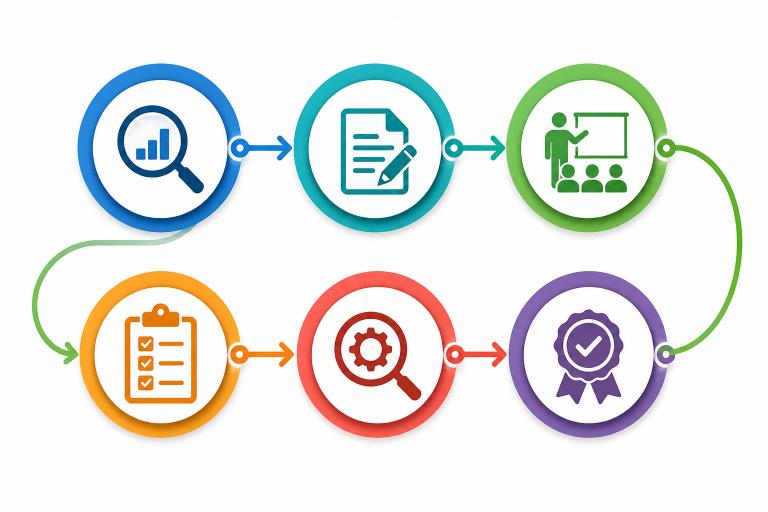
🔹 Step 1 – Gap Assessment
Identify existing operational systems and improvement areas.
🔹 Step 2 – Documentation Preparation
Prepare:
✔ Quality policies
✔ Procedures
✔ Work instructions
✔ Operational records
🔹 Step 3 – Employee Training
Train employees on:
✔ Quality objectives
✔ Process management
✔ Operational procedures
🔹 Step 4 – System Implementation
Implement quality management systems and operational controls.
🔹 Step 5 – Internal Audit
Conduct audits to identify gaps and improvement opportunities.
🔹 Step 6 – Certification Audit
Certification bodies conduct audits to verify compliance with ISO 9001 certification requirements.
Common Practices Under ISO 9001 Certification
Organizations implementing ISO 9001 certification often adopt practices such as:
✔ Standard Operating Procedures (SOPs)
✔ Quality inspections
✔ Customer feedback systems
✔ Corrective and preventive actions
✔ Employee training programs
✔ Operational performance monitoring
These activities improve operational control, quality consistency, and customer satisfaction.
Challenges Businesses Face Without ISO 9001 Certification
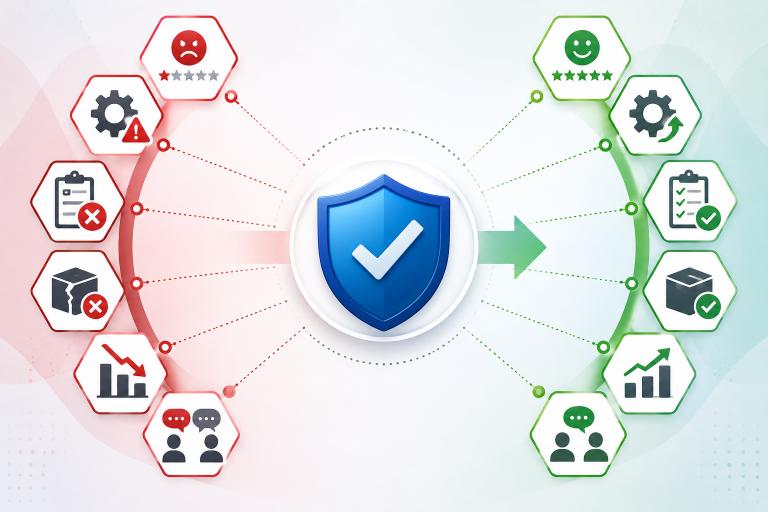
Organizations without proper quality management systems may face:
❌ Poor customer satisfaction
❌ Operational inefficiencies
❌ Increased errors and product failures
❌ Weak documentation systems
❌ Reduced business opportunities
❌ Poor communication and coordination
ISO 9001 certification helps organizations overcome these operational challenges effectively.
Why Customers Prefer ISO 9001 Certified Companies
An ISO 9001 certification also demonstrates that the company has proper documentation systems, operational controls, compliance management processes, and performance monitoring practices in place. Businesses with strong quality management systems are generally more reliable, organized, and capable of delivering consistent results.
In today’s competitive market, ISO 9001 certified companies often gain better customer trust, stronger business credibility, improved brand reputation, and increased opportunities for long-term business growth and partnerships.
At DLV ESG Consulting Group LLP, we provide professional support for ISO 9001 certification implementation and quality management solutions.
🔹 Our Services Include:
✔ ISO 9001 certification implementation support
✔ Quality management consulting
✔ Internal audits and gap assessment
✔ Documentation and policy preparation
✔ Employee awareness and training programs
✔ Certification audit assistance
✔ ESG consulting and compliance solutions
Our objective is to help organizations improve quality management systems, operational performance, customer satisfaction, and business growth through effective ISO 9001 certification implementation.
Conclusion
ISO 9001 certification is more than just a quality certificate. It is a structured system that helps organizations improve operational efficiency, customer satisfaction, product quality, compliance management, and long-term business performance.
In today’s competitive business environment, organizations implementing ISO 9001 certification are better prepared to manage operational challenges, improve consistency, reduce risks, and build customer trust.
By implementing proper quality management systems, businesses can improve efficiency, strengthen compliance, enhance credibility, and create sustainable business growth opportunities.
At DLV ESG Consulting Group LLP, we help organizations successfully implement ISO 9001 certification through professional consulting, training, audits, documentation support, and compliance management solutions designed for practical and long-term results.
Connect With Us
DLV ESG Consulting Group LLP provides:
✔ ISO 14001 Implementation Support
✔ ESG Consulting Services
✔ Environmental Compliance Solutions
✔ Sustainability & ESG Reporting Services
✔ Workplace Safety & Compliance Support
🌐 Website: https://dlvesg.com
📧 Email: info@dlvesg.com
🔗 LinkedIn: linkedin.com/in/dlv-esg-consulting-4914543b1
📸 Instagram: dlvconsultingroup
FAQ
ISO 9001 certification is generally not mandatory for every business in India. However, it may be required by certain customers, tenders, contracts, industries, or organizations as a condition for doing business.
ISO 9001 certification can help organizations improve process efficiency, reduce errors, maintain consistent quality, improve customer satisfaction, strengthen documentation, and demonstrate commitment to quality management.
A company typically needs to establish and implement a Quality Management System, prepare the required documentation, conduct internal audits, address identified issues, and undergo an audit by an accredited or appropriately recognized certification body.
Documentation depends on the organization's size, activities, and processes. Common documents and records can include the QMS scope, quality objectives, process information, policies, procedures, risk-related information, internal audit records, corrective action records, and management review records.
The time required depends on the organization's size, number of locations, complexity of processes, existing management systems, and level of preparation. A smaller organization with an established QMS may complete the process faster than a large or complex organization.
The cost varies depending on factors such as company size, number of employees, locations, scope of certification, process complexity, and certification body fees. Additional costs may apply for consulting, implementation, training, and audit preparation.
The certification process generally involves reviewing the organization's QMS and conducting an audit to determine whether the system meets ISO 9001 requirements. Any identified nonconformities may need to be addressed before certification is issued.
ISO 9001 certificates are commonly issued for a three-year certification cycle, subject to ongoing surveillance audits and continued compliance with the applicable requirements of the certification body.
Yes. DLV ESG Consulting Group LLP can provide support related to ISO 9001 implementation, documentation, internal audit preparation, training, and certification readiness. The exact scope of support can depend on the organization's requirements.
Nice content
Nice
Sounds good.
Brilliant
Very nice
Nice information
Well done keep it up
very good
Well Done Brother keep it Continues.
Very nice Content
Very nice Content
Insightful content
nice