


ISO Certificate: Importance, Types & Benefits for Businesses
Introduction ISO Certificate
In todayβs competitive business environment, organizations are expected to maintain high standards of quality, safety, compliance, and sustainability. Customers, clients, investors, and regulatory authorities now prefer businesses that follow structured systems and internationally recognized standards. This is where an ISO certificate becomes highly important for organizations across different industries.
An ISO certificate helps businesses demonstrate that their processes, systems, and operations meet globally accepted standards. Whether it is manufacturing, healthcare, food processing, IT services, construction, education, logistics, or corporate offices, ISO certifications help improve efficiency, reduce operational risks, and build customer trust.
Today, many companies are implementing ISO standards not only for compliance but also to improve business performance, workplace safety, environmental responsibility, and long-term sustainability. Businesses with ISO certification are often seen as more reliable, professional, and process-oriented in the market.
At DLV ESG Consulting Group LLP, we support organizations with ISO certificate implementation, compliance support, audits, training, documentation, and sustainability solutions to help businesses achieve global standards successfully.
What is an ISO Certificate?
An ISO certificate is an internationally recognized certification that confirms a company follows specific standards and best practices developed by the International Organization for Standardization (ISO).
In simple words, an ISO certificate proves that a business has implemented proper systems and processes to maintain quality, safety, efficiency, security, or environmental responsibility.
ISO certifications are used worldwide and are accepted across industries as a mark of credibility and compliance.
Why is an ISO Certificate Important?
In todayβs competitive business environment, customers and stakeholders prefer organizations that follow internationally recognized standards and structured business practices. This is why obtaining an ISO certificate has become important for businesses across different industries.
An ISO certificate helps organizations improve their internal systems, maintain quality standards, and ensure compliance with regulations. It also shows that the company is committed to professionalism, safety, efficiency, and continuous improvement.
πΉ Key Benefits of ISO Certification:
β Improves business credibility and professional image
An ISO-certified company is often seen as more reliable and professional in the market. It helps businesses build a strong reputation and creates confidence among customers and business partners.
β Builds trust with customers, clients, and investors
Customers and investors prefer organizations that follow standardized processes and quality systems. An ISO certificate demonstrates that the company is committed to maintaining high standards and delivering consistent results.
β Helps meet legal and regulatory compliance requirements
Many industries have strict compliance and regulatory requirements. ISO standards help organizations follow proper systems and documentation, making it easier to meet legal obligations and industry requirements.
β Improves operational efficiency and process management
ISO implementation helps businesses create structured workflows, reduce process gaps, and improve coordination between departments. This leads to better efficiency and smoother business operations.
β Reduces workplace risks and operational errors
By following standardized systems and safety practices, organizations can identify risks early, reduce errors, and minimize workplace incidents or operational disruptions.
β Enhances product and service quality
ISO standards encourage continuous monitoring and improvement, which helps businesses maintain better quality in products and services while improving customer satisfaction.
β Creates better opportunities in domestic and international markets
Many clients and multinational companies prefer working with ISO-certified organizations. Having an ISO certificate improves business opportunities, tenders, and global market acceptance.
β Supports sustainability and responsible business practices
Certain ISO standards, such as ISO 14001 and ISO 50001, help businesses improve environmental performance, energy efficiency, and sustainability initiatives aligned with ESG goals.
In simple words, an ISO certificate is not just about compliance β it helps organizations improve quality, efficiency, safety, and long-term business growth while building trust in the market.
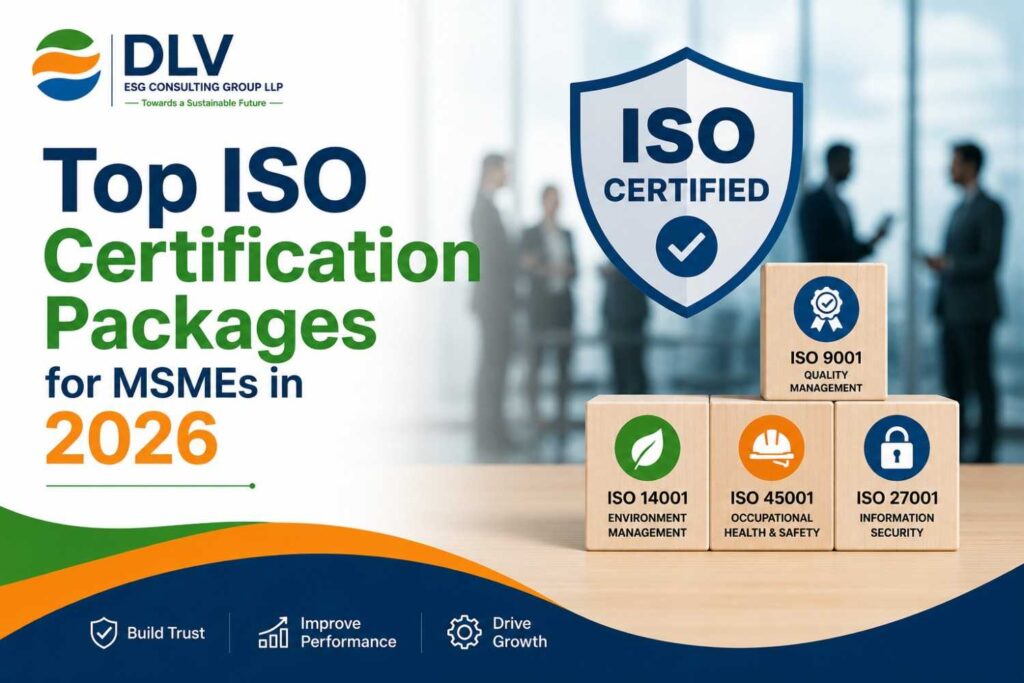
Major Types of ISO Certificates
ISO 14001 β Environmental Management System (EMS)
ISO 14001 focuses on environmental management and sustainability practices. It helps organizations reduce environmental impact and improve resource efficiency.
πΉ Key Features:
β Environmental risk management
β Waste reduction and pollution control
β Resource and energy efficiency
β Environmental compliance management
β Sustainable operational practices
πΉ Benefits of ISO 14001 Certificate:
β Improves environmental performance
β Supports ESG and sustainability goals
β Reduces environmental risks
β Enhances corporate reputation
This ISO certificate is important for companies focusing on environmental sustainability and compliance.
ISO 45001 β Occupational Health & Safety Management System
ISO 45001 is an internationally recognized standard that focuses on improving workplace health and safety management. It helps organizations create a safe and healthy working environment by identifying workplace hazards, reducing risks, and preventing accidents or injuries.
The main objective of ISO 45001 is to ensure employee safety and well-being while improving overall workplace safety practices. This standard helps businesses establish proper safety procedures, emergency response systems, and risk control measures to reduce workplace incidents and improve compliance with health and safety regulations.
ISO 45001 is especially important for industries such as manufacturing, construction, warehouses, logistics, healthcare, and factories where workplace risks and operational hazards are more common. However, it can be implemented in organizations of all sizes and sectors.
πΉ Key Features:
β Workplace hazard identification and risk assessment
β Employee health and safety management
β Emergency preparedness and response planning
β Safety training and employee awareness programs
β Incident reporting and preventive action systems
β Compliance with occupational health and safety regulations
β Continuous monitoring and improvement of workplace safety practices
πΉBenefits of ISO 45001 Certificate:
β Improves employee safety and workplace conditions
β Reduces accidents, injuries, and operational risks
β Enhances employee confidence and safety awareness
β Improves compliance with legal and safety requirements
β Reduces downtime caused by workplace incidents
β Strengthens business reputation and operational reliability
In simple words, ISO 45001 helps businesses create a safer workplace, protect employees, reduce risks, and improve overall operational efficiency through structured health and safety management systems.
ISO 9001 β Quality Management System (QMS)
ISO 9001 is an internationally recognized standard for quality management systems. It focuses on helping organizations maintain consistent quality in their products and services through structured processes and continuous improvement practices.
It is one of the most widely implemented ISO certificates globally because it helps businesses improve customer satisfaction, operational efficiency, and overall business performance. ISO 9001 can be implemented by organizations of all sizes and industries to ensure better process management and quality control.
πΉ Key Features:
β Process standardization
β Quality control systems
β Customer satisfaction improvement
β Continuous improvement practices
β Performance monitoring
πΉBenefits of ISO 9001 Certificate:
β Improves product and service quality
β Enhances customer satisfaction
β Improves operational consistency
β Builds business credibility
Suitable for almost every industry and business type.
ISO 50001 β Energy Management System
ISO 50001 is an internationally recognized standard that focuses on energy management and improving energy efficiency within organizations. It helps businesses establish structured systems to monitor, control, and optimize energy usage across operations.
The main objective of an ISO 50001 certificate is to help organizations reduce energy consumption, improve energy performance, and support sustainable business practices. This standard enables companies to identify areas of energy waste, implement energy-saving measures, and continuously improve energy efficiency.
ISO 50001 is especially beneficial for industries, manufacturing units, commercial buildings, and organizations with high energy consumption.
πΉ Key Features
β Energy monitoring and performance evaluation
β Identification of energy-saving opportunities
β Energy efficiency improvement planning
β Continuous monitoring and optimization of energy usage
β Support for sustainability and environmental goals
πΉ Benefits of ISO 50001 Certificate:
β Reduces operational energy costs
β Improves overall energy performance
β Supports environmental sustainability initiatives
β Enhances energy monitoring and management systems
β Helps reduce carbon emissions and environmental impact
β Improves compliance with energy-related regulations
β Supports long-term cost savings and operational efficiency
In simple words, an ISO 50001 certificate helps businesses manage energy more efficiently, reduce unnecessary energy usage, lower costs, and build sustainable operations.
ISO 27001 β Information Security Management System
ISO 27001 is an internationally recognized standard for information security management. It focuses on protecting sensitive business information, confidential data, and digital systems from security risks such as data breaches, cyber threats, unauthorized access, and information loss.
The main purpose of ISO 27001 is to help organizations establish structured systems and security controls to manage and protect important information effectively. It also helps businesses improve data confidentiality, integrity, and security while ensuring compliance with information security requirements.
πΉ Key Features
β Data security management
β Cybersecurity risk control
β Information confidentiality
β Secure information systems
πΉ Benefits of ISO 27001 Certificate:
β Protects sensitive business data
β Reduces cybersecurity risks
β Builds trust with clients and stakeholders
β Improves data management systems
Important for IT companies, financial institutions, and businesses handling confidential information.
Other Important Compliance & Sustainability Certifications
Along with ISO certificates, organizations also implement various sustainability and compliance certifications to strengthen ESG and responsible business practices.
πΉ SA 8000
Focuses on social accountability, employee welfare, and ethical labor practices.
πΉ SEDEX / SMETA
Supply chain compliance and ethical sourcing standards.
πΉ BSCI
Business social compliance and responsible sourcing framework.
πΉ GOTS / GRS / OEKO-TEX
Sustainability and textile compliance certifications.
πΉ ZED Certification
Zero Defect Zero Effect certification for manufacturing industries.
πΉ ESG & Sustainability Reporting
BRSR, GRI, TCFD, SASB, and Integrated Reporting frameworks.
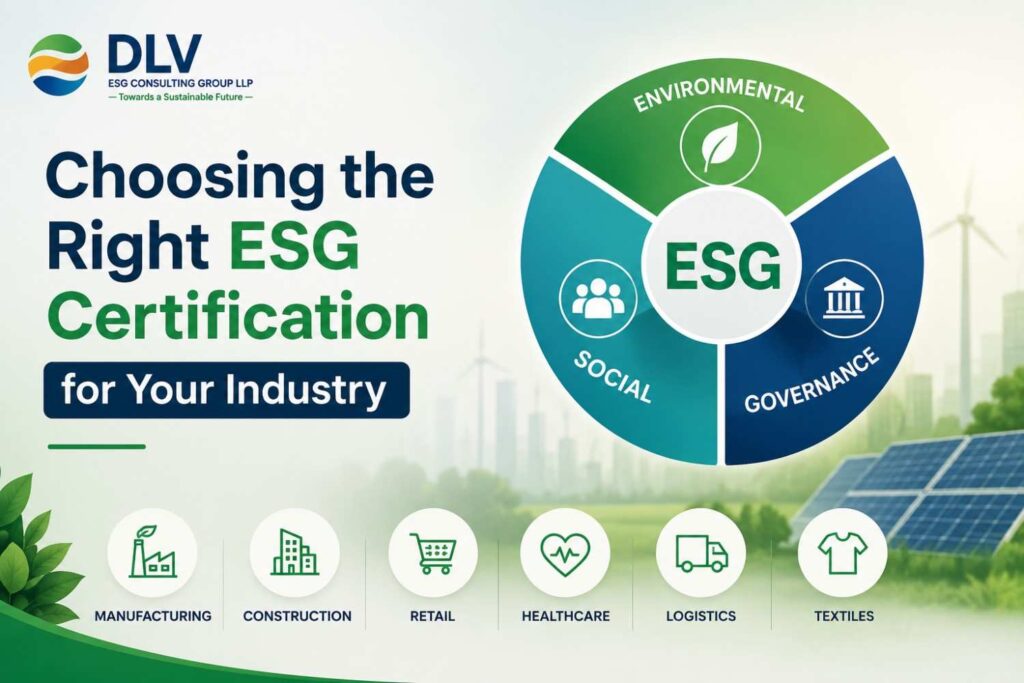
ISO Certificates and ESG
ISO certifications play a major role in supporting Environmental, Social, and Governance (ESG) goals.
For example:
β ISO 14001 supports environmental sustainability
β ISO 45001 improves employee safety and workplace health
β ISO 9001 strengthens governance and process management
β ISO 50001 improves energy efficiency and sustainability
Organizations with ISO certificates often perform better in ESG compliance, sustainability reporting, and operational management.
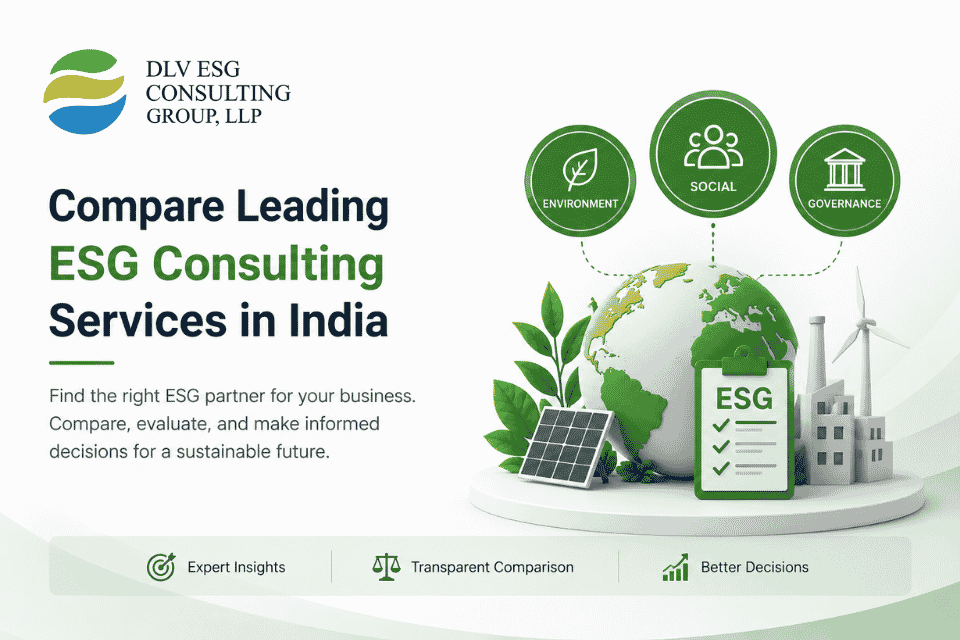
How DLV ESG Consulting Group LLP Supports Organizations
At DLV ESG Consulting Group LLP, we provide complete support for ISO certificate implementation and compliance management.
πΉ Our Services Include:
β Gap assessment and compliance evaluation
β ISO implementation support
β Documentation and policy preparation
β Internal audits and risk assessment
β Employee awareness and training programs
β Certification readiness and audit support
β ESG consulting and sustainability solutions
Our approach focuses on practical implementation, continuous improvement, and long-term operational efficiency.
Conclusion
An ISO certificate is more than just a compliance requirement β it is a valuable tool for improving business quality, safety, efficiency, and sustainability.
Implementing the right ISO standards helps organizations strengthen operational systems, improve customer trust, reduce risks, and achieve long-term business growth.
In todayβs business environment, companies with ISO certification are better prepared to meet global standards, regulatory requirements, and sustainability expectations.
At DLV ESG Consulting Group LLP, we help businesses successfully implement ISO certificates and compliance frameworks through expert consulting, audits, training, and implementation support.
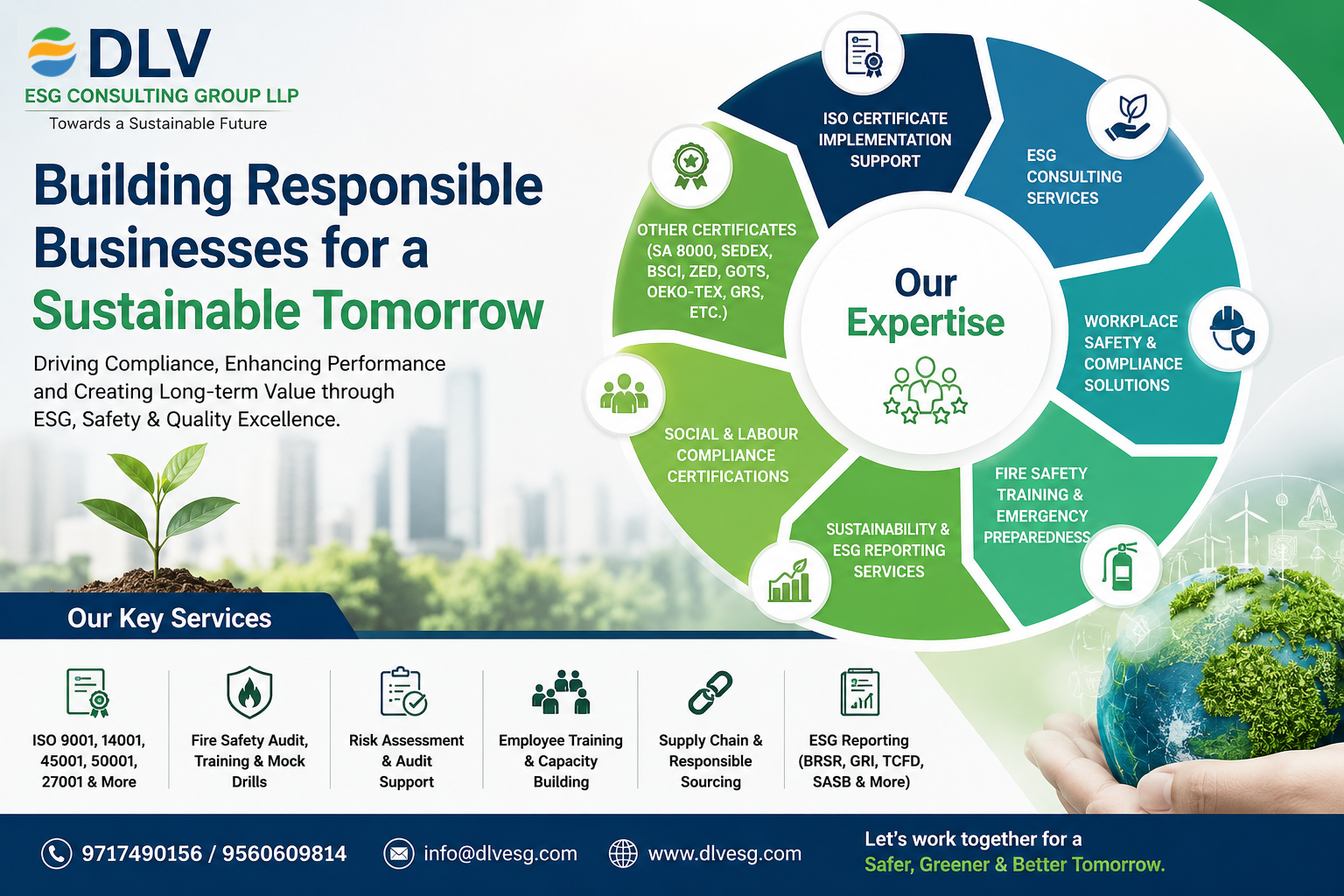
DLV ESG Consulting Group LLP provides:
β ISO Certificate Implementation Support
β ESG Consulting Services
β Workplace Safety & Compliance Solutions
β Fire Safety Training & Emergency Preparedness
β Sustainability & ESG Reporting Services
β Social & Labour Compliance Certifications
β ISO 14001, ISO 45001, ISO 9001 & Other ISO Certification Support
β Employee Training & Capacity Building Programs
β Supply Chain & Responsible Sourcing Solutions
β Risk Assessment & Audit Support
Feel free to connect with us to explore how ESG and workplace safety can support your business growth.
Website:Β https://dlvesg.com
Email: info@dlvesg.com
LinkedIn: linkedin.com/in/dlv-esg-consulting-4914543b1
Instagram: dlvconsultingroup
Great
Informative article
Nice
Nice
Very Nice …
Good job.
Good information
Nice
It’s Good
Thank you for the information
Informative article
So informative and well explained
well explained