Top ISO Certification Packages for MSMEs in 2026
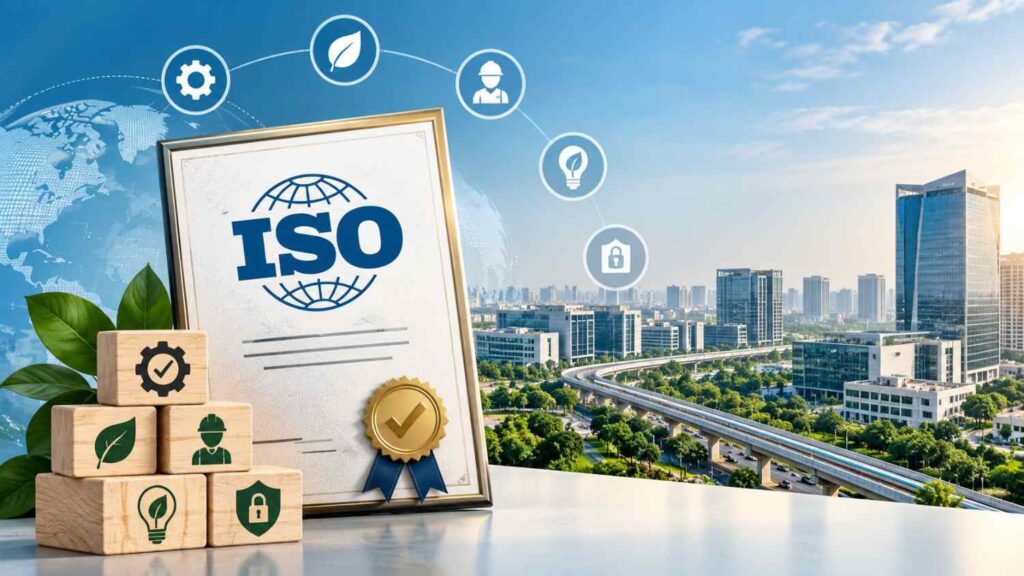
Quick answer: The top ISO certification packages for MSMEs in 2026 bundle the most in-demand standards—ISO 9001 (quality), ISO 14001 (environment), ISO 45001 (health and safety), and ISO 50001 (energy)—into affordable, phased plans. A strong package includes gap analysis, documentation, employee training, and audit preparation, delivered through a NABCB-compliant process. DLV ESG Consulting Group LLP offers exactly this, completing most certifications in three to six months.
ISO certification used to feel like a luxury reserved for large corporations. Not anymore. For India's micro, small, and medium enterprises, it has become a practical requirement for winning contracts, accessing export markets, and meeting the ESG expectations flowing down from larger buyers.
The challenge for most MSMEs isn't understanding why certification matters. It's finding a package that fits a real budget and timeline. This guide breaks down which standards matter most, what a good package should include, how to evaluate providers, and how to get certified without draining your resources.
Why does ISO certification matter for MSMEs in 2026?
The pressure on small businesses to get certified is rising from several directions at once. Understanding these forces helps you see certification as an investment rather than a cost.
Buyer requirements are tightening. Large corporates and multinational buyers increasingly list ISO certification as a non-negotiable condition for vendor approval. Without ISO 9001, many procurement teams won't even add you to their supplier shortlist. Certification opens doors that stay closed to uncertified competitors.
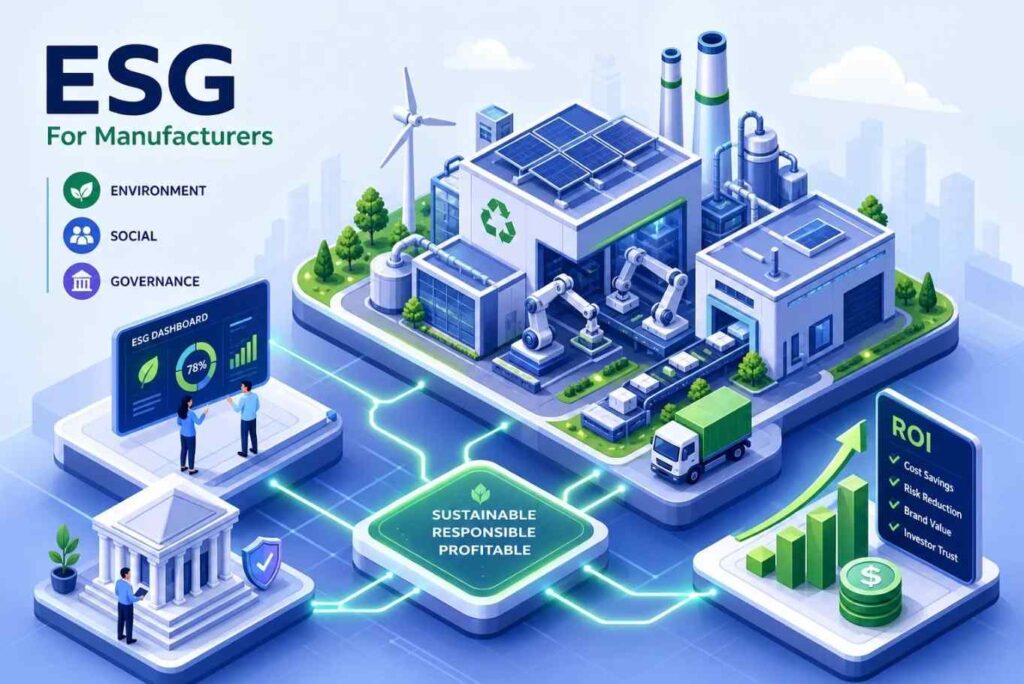
BRSR value chain disclosures are pulling MSMEs in. SEBI's Business Responsibility and Sustainability Reporting (BRSR) framework now requires large listed companies to report on the ESG performance of their value chains. That means your big clients need ESG data from you. ISO 14001 and ISO 45001 give your environmental and safety claims a structured, audited foundation that satisfies these requests.
Global export access depends on it. Exporters supplying to European, US, and UK markets face strict standards as a baseline for doing business. ISO certifications signal operational credibility to international buyers and often work alongside social compliance audits as procurement conditions.
Operational gains are real. Beyond market access, certified management systems reduce defects, cut waste, lower energy bills, and prevent workplace accidents. For a small business running on tight margins, these efficiencies matter.
Which ISO standards are most relevant for MSMEs?
Four standards form the backbone of MSME certification. Here's what each covers and who should prioritize it.
ISO 9001: Quality Management
ISO 9001 is the world's most widely adopted management standard, and it's the natural starting point for any MSME. It helps you build consistent, repeatable processes that deliver products meeting customer requirements.
For small businesses, ISO 9001 reduces defects and rework, supports data-driven decisions, and qualifies you for government tenders and global supply chains. If you pursue only one certification, make it this one—the others build on the systems it establishes.
ISO 14001: Environmental Management
ISO 14001 helps you identify, monitor, and reduce your environmental impact, from waste and emissions to water and energy use. For MSMEs facing BRSR value chain questions or working with environmentally conscious buyers, this standard provides credible, audited proof of your practices.
Choose ISO 14001 if you operate in a regulated sector or supply customers who expect environmental accountability.
ISO 45001: Occupational Health and Safety
ISO 45001 gives you a systematic framework to identify and control workplace hazards. Manufacturing floors carry real risks—machinery, chemicals, manual handling—and a single incident can carry heavy human and financial costs.
This standard is especially valuable for factories and workshops with high-risk equipment. It also strengthens the "Social" pillar of your ESG profile, which buyers increasingly evaluate.
ISO 50001: Energy Management
ISO 50001 helps you systematically find and capture energy efficiency opportunities. Since energy often eats a large share of manufacturing costs, this standard can pay for itself through reduced bills.
Choose ISO 50001 if energy is a major line item in your budget or if buyers are pressing you to lower your carbon intensity.
What should a good MSME certification package include?
Not all packages are equal. A genuine, value-for-money package guides you through the full journey rather than just handing you paperwork. Look for these four core components.
- Gap analysis: A thorough audit of your current processes against the chosen standard, identifying exactly where you fall short. This is the foundation of an efficient certification path.
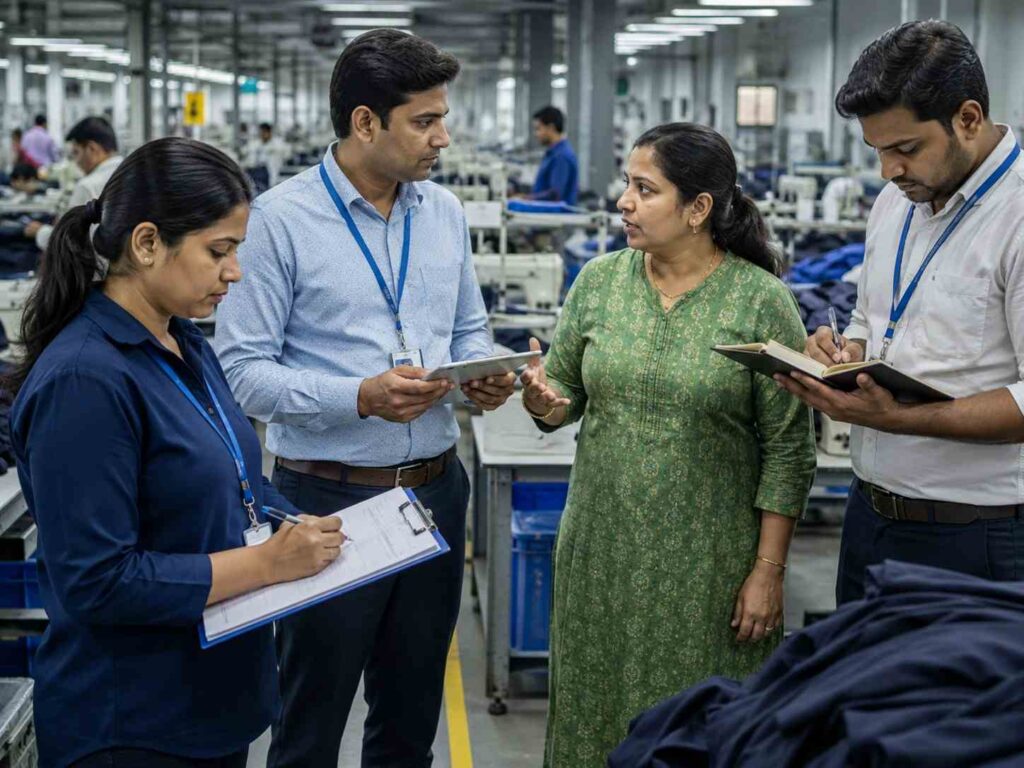
- Documentation support: Help building the policies, procedures, and records the standard requires. For small teams without a dedicated compliance person, this is often the most time-consuming part—and where expert support saves the most effort.
- Employee training: Certification touches everyone. A good package trains your staff at all levels so they understand their role in maintaining compliance, not just during the audit but every day after.
- Audit preparation: Internal audits and pre-audit reviews that surface non-conformities before the external certification body arrives, so you pass the first time.
A package missing any of these forces you to fill the gap yourself—usually at greater cost and slower speed.
How should MSMEs evaluate ISO certification providers?
Choosing the right partner matters as much as choosing the right standard. Use these criteria to compare your options.
NABCB compliance. Always confirm the provider works with certification bodies accredited by the National Accreditation Board for Certification Bodies (NABCB). A non-accredited certificate may be rejected by your buyers during supplier audits, wasting your time and money.
Turnaround time. Some providers take a year or more. Others complete certification in three to six months. Faster timelines matter when a buyer audit or tender deadline is approaching.
Affordability and phased pricing. Large consulting firms price their services for corporate budgets. As an MSME, look for a partner offering affordable, phased packages structured around realistic budgets and cash flow.
Sector expertise. A consultant who understands your industry—textiles, manufacturing, FMCG, or exports—will spot risks and opportunities a generalist might miss. Sector knowledge speeds up the whole process.
End-to-end support. A provider that handles everything from gap analysis to the final audit saves you the headache of coordinating multiple vendors.
How can MSMEs combine standards to save money?
Here's a practical tip many small businesses miss: you don't have to certify one standard at a time.
ISO 9001, ISO 14001, ISO 45001, and ISO 50001 share a common structure. By implementing them together as an integrated management system, you reduce duplicated effort, streamline your documentation, and combine audits into a single coordinated process. For an MSME, this approach cuts both cost and time compared to pursuing each certification separately.
A bundled package built around an integrated management system is usually the smartest financial choice for a growing business that knows it will eventually need multiple standards.
How DLV ESG Consulting Group LLP supports MSME certification
Getting certified while running a small business is a real challenge. Limited staff, tight budgets, and pressing deadlines leave little room for a complicated, drawn-out process. That's the gap DLV ESG Consulting Group LLP is built to fill.
Based in Gurgaon, Haryana, DLV ESG Consulting Group LLP specializes in making ISO and ESG compliance practical and affordable for Indian businesses. The firm has certified more than 500 businesses across 15+ ISO standards, operates on a 100% NABCB-compliant process, and completes most engagements in a three-to-six-month timeline.
DLV ESG serves manufacturers, exporters, MSMEs, textile units, FMCG companies, and infrastructure firms across India. Its ISO certification packages are designed around the realities of smaller operations:
- Phased, affordable pricing structured to fit MSME budgets and cash flow
- End-to-end support from gap analysis and documentation through to the final external audit
- Core standards covered—ISO 9001, ISO 14001, ISO 45001, ISO 50001, and more
- Integrated management system options that bundle multiple standards to save cost and time
- Employee training so your team maintains compliance long after certification
- NABCB-compliant certification that your buyers and partners will recognize and accept
Whether you need a single ISO 9001 certificate to qualify for a tender or a combined package to meet buyer and BRSR value chain expectations, DLV ESG offers a structured path that fits your operational capacity.
Choosing the right package for your business
The best ISO certification package is the one that matches your actual needs—not the cheapest option, and not the most comprehensive one you'll never fully use.
Start by identifying what your buyers and regulators require. If a single client is asking for ISO 9001, begin there. If you're facing BRSR value chain questions or export audits, a bundle covering quality, environment, and safety will serve you better. If energy costs are squeezing your margins, add ISO 50001.
Then match that need to a provider who offers NABCB-compliant certification, fast turnaround, sector expertise, and pricing built for businesses like yours. For most Indian MSMEs, manufacturers, and exporters, a specialized, affordable, end-to-end partner delivers far better value than a premium-priced global firm.
The deadline pressure is only growing. Buyer audits, BRSR disclosures, and export requirements are all moving in one direction—more mandatory, more frequent, and more detailed. The MSMEs that get certified now will spend 2026 winning contracts. Those that wait will spend it catching up.
Frequently asked questions
For most, yes. Buyer requirements are tightening, BRSR value chain disclosures are pulling suppliers into ESG reporting, and global export markets demand certified standards as a baseline. Beyond compliance, certification reduces defects, waste, and energy costs—real benefits for a business running on tight margins.
NABCB accreditation ensures your ISO certificate is recognized and accepted by buyers and partners worldwide. A non-accredited certificate may be rejected during supplier audits, costing you time, money, and potentially the contract. Always confirm your provider works with NABCB-accredited certification bodies.
Yes, and it's often the smartest move. ISO 9001, ISO 14001, ISO 45001, and ISO 50001 share a common structure, so implementing them together as an integrated management system reduces duplicated work, streamlines documentation, and combines audits. This cuts both cost and time compared to certifying each standard separately.
Costs vary based on your company size, operational complexity, and the number of standards you pursue. Specialized firms offer affordable, phased packages designed specifically for MSMEs, which spread the investment in line with your budget and cash flow—unlike large firms priced for corporate clients.
Most MSMEs complete certification in three to six months. The exact timeline depends on your company size, existing processes, and how many standards you pursue at once. Working with an experienced consultant who provides gap analysis and documentation support speeds up the process significantly.
Start with ISO 9001, the quality management standard. It's the most widely required by buyers, often a pre-qualification criterion for government tenders, and forms the foundation that other standards build on. Once it's in place, adding ISO 14001, ISO 45001, or ISO 50001 becomes faster and easier.
Get in Touch
Contact Information
Reach out to our team for a free consultation. We respond within 24 hours on all working days.
Sector 92, Gurgaon 122505, Haryana, India
Thanks for sharing such valuable insights. This was a great read.
Excellent content with practical and useful information.